


GOAT – Sneakers & Apparel
3.79.57K Reviews
App Specs
- Version
- 2.13.0
- Updated On
- License
- Free
- Downloads
- 10,000,000+
- Developer
- GOAT
- Categories
- Shopping
- Platform
- Android
Screenshots
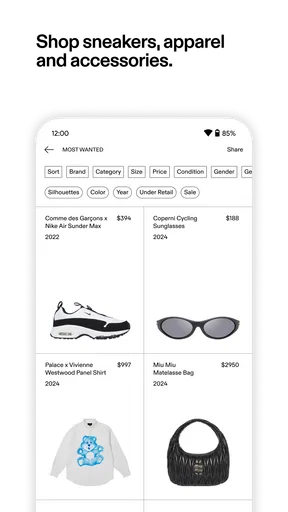
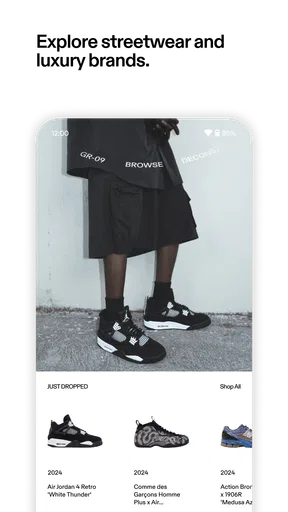
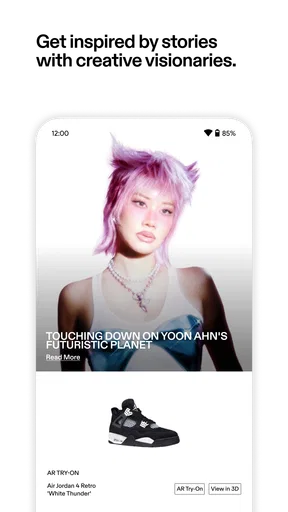
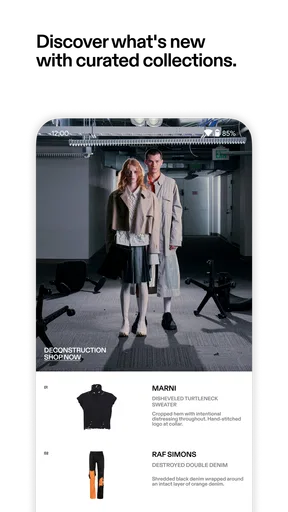
 Analysis by AppCompare
I first approached GOAT as a shopping app for sneakers, but its real appeal is more focused than that. It is built for people who care about finding authentic footwear and designer clothing from different eras, not simply grabbing the cheapest pair available. That distinction affects almost every part of the experience: browsing feels more like researching a release than filling a basic shopping basket, and buying requires a little more patience and attention than it would on a general marketplace.
GOAT is a free shopping app from developer GOAT, available for users aged Teen and above. It has been around since Aug 10, 2015, and its current version is 2.13.0 for devices running iOS 10 or later. The app has reached over ten million installs, with an average rating of 3.7 from roughly thirty-seven thousand ratings. Those figures suggest a large audience, while the middling rating is also a useful reminder that a specialist marketplace can be valuable without being frictionless for everyone.
Why authenticity is the capability that matters most
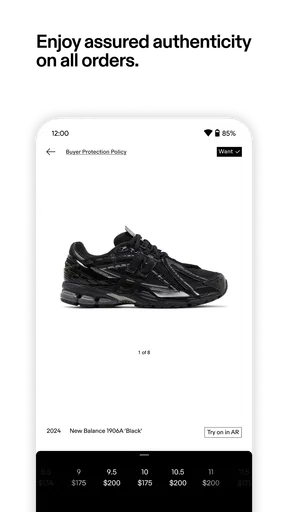
The central capability I kept coming back to was the app’s focus on authentic sneakers and designer brands. That sounds straightforward, but it changes the reason to use GOAT. On an ordinary retail app, I usually compare sizes, colors, delivery options, and price. Here, I am also considering whether a hard-to-find item is worth pursuing and whether the marketplace is a better place to look than a standard store.
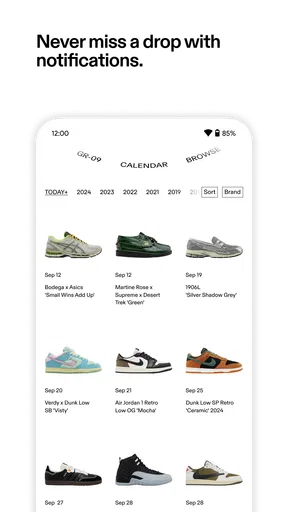
This makes the app especially relevant for older releases, sought-after sneaker styles, and fashion pieces that are not always sitting on a regular retailer’s shelf. The selection is positioned around the past, present, and future of sneaker and designer culture, so I found myself using it less like a department store and more like a catalog for building a shortlist.
The useful idea is not merely “more products”; it is a shopping environment where authenticity is part of the purchase decision. That is important when a product is expensive, difficult to replace, or likely to be resold later. It does not remove the need for common sense, but it gives the app a clear purpose that general shopping platforms often lack.
Browsing feels closer to research than impulse shopping
When I opened the app with a particular sneaker in mind, the first useful step was resisting the urge to buy the first attractive listing. I treated the product page as a reference point: I checked the model, looked at the available presentation, considered the size, and compared the overall value with what I already knew about the item. That workflow suits collectors and careful buyers much better than someone who wants a quick, low-effort purchase.
The same approach works when I do not know the exact model I want. I can browse by style and brand, save ideas mentally, and narrow the search based on appearance rather than starting with a generic web search. GOAT is most convincing when I already have a preference or a clear fashion goal. It is less useful when I only want everyday shoes and have no interest in specialist releases.
Worth Reading Before You Choose

Flipboard Shows What News Apps Must Do Beyond the Feed

Switching to Android Auto Means Rethinking Your Driving Routine

Google Calendar Makes a Crowded Week Easier to Manage

Ludo King Makes the Most of the Minutes Between Plans

Baby Panda World Brings Quick Play to Modern Phones, but Its Game Library Feels Busy

ESPN’s Live Game View Makes Following Close Games Easier
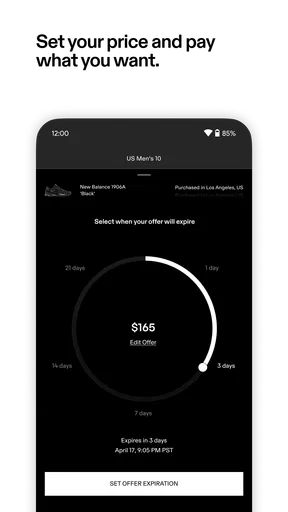
One practical tip is to decide your acceptable size and spending limit before browsing deeply. A visually appealing pair can make the decision feel urgent, especially when it is a style I have been looking for. Setting those limits first keeps the app in its proper role: a tool for finding the right item, not a reason to stretch a casual shopping budget.
How I would use it before placing an order
I would begin with a specific item or a narrow group of options rather than scrolling without a plan. For example, if I needed a pair for a weekend trip, I would first decide whether I wanted a current everyday sneaker or a harder-to-find design. Then I would check whether the available size and condition fit the use case. A collectible-looking pair may be attractive, but it may not be the sensible choice for heavy walking or unpredictable weather.
I would also compare the app’s result with ordinary retail options before committing. If a current model is readily available through a familiar store at a similar overall cost, the normal retailer may be simpler. GOAT earns its place when the item is difficult to find, when the brand selection is the main attraction, or when the reassurance associated with an authenticity-focused marketplace matters more than maximum convenience.
Another useful habit is separating “I like this design” from “I need this product.” That sounds obvious, but the app’s strength is visual discovery, and visual discovery can encourage impulse purchases. I found the experience more satisfying when I used it to solve a real wardrobe problem or locate a specific release instead of treating every interesting listing as an opportunity.
A realistic everyday scenario
Imagine I am looking for a clean pair of sneakers to wear with several outfits, but the current high-street selection feels too ordinary. I might use GOAT to explore designer and sneaker options, compare silhouettes, and find a model that gives the wardrobe a stronger identity. In that situation, the app helps because it brings specialist choices into one shopping experience rather than making me visit several brand sites and resale pages.
Before buying, I would ask three practical questions. Will I actually wear this pair regularly? Is the size available the one I normally use, or am I tempted to compromise? And is the price justified by the rarity or design, rather than just the excitement of finding it? If the answer to any of those questions is weak, I would save the idea and keep looking.
For a collector, the scenario is different. The app can act as a discovery tool for a particular colorway, era, or designer label. The benefit is not only locating one item; it is seeing how a collection might develop around a theme. That makes the experience more rewarding for someone who enjoys the background and identity of sneakers, while a casual shopper may find the same depth unnecessary.
Where the experience can slow me down
The authenticity-centered approach also creates trade-offs. A specialist marketplace is not automatically the fastest route to a purchase. Availability, sizing, and the appeal of a particular release can make the decision more complicated than buying a standard product from a conventional retailer. I would not use GOAT when I need a guaranteed, uncomplicated purchase for tomorrow.
The app also asks me to be more attentive to the total decision. The item itself is only one part of the experience. I need to be comfortable with the available size, the product’s role in my wardrobe, and the value compared with alternatives. That extra thought is a strength for an informed buyer, but it can feel like friction for someone who expects a simple “add to cart” process.
The 3.7 average rating is consistent with that mixed impression. GOAT clearly works for a substantial audience, yet the rating is not so high that I would tell every shopper to install it without hesitation. My interpretation is that the app’s specialist purpose is compelling, but marketplace expectations can vary. A person who values rare and authentic fashion finds more to appreciate than someone judging the app only by speed and simplicity.
Comparing it with ordinary shopping alternatives
Compared with a brand’s own store, GOAT is more interesting when I want to explore beyond the current standard collection. A brand store is usually the cleaner choice for a straightforward new purchase, familiar sizing, and a direct relationship with the label. GOAT becomes more useful when the item I want is part of a wider sneaker or designer ecosystem rather than a single brand’s current lineup.
Compared with a general marketplace, GOAT has a more defined identity. A broad marketplace may offer more unrelated products and sometimes a wider range of prices, but it can require more effort from me when assessing the seller and the item. GOAT’s focus makes browsing more relevant if sneakers and designer apparel are exactly what I want.
Compared with a local sneaker shop, the app offers broader discovery but less of the immediate, personal feel of trying something on in person. A store is better when fit is uncertain or when I want advice before paying. GOAT is better when I already understand my size and want access to styles that may not be displayed locally.
Who gets the most value from it
I would recommend GOAT to sneaker enthusiasts, designer-fashion shoppers, and anyone who has struggled to find a particular release through ordinary retail channels. It is also a good match for a careful buyer who enjoys comparing styles and making a considered purchase rather than choosing the first available option.
It can help someone building a more distinctive wardrobe, especially when the goal is to find pieces with a recognizable design language. The app’s focus means that an experienced shopper can use it efficiently: search with a clear idea, verify the size and suitability, and compare the result with normal retail alternatives before committing.
On the other hand, I would suggest skipping it if the priority is low-cost basics, instant availability, or the reassurance of trying footwear on before purchase. Someone buying school shoes, work trainers, or a practical pair for frequent walking may be better served by a conventional retailer with a simpler returns-and-fitting routine. GOAT is not the wrong app in those cases; it is simply solving a different problem.
Small habits that make the app more useful
My first habit would be to browse with a shortlist instead of an open-ended budget. I would choose a few acceptable styles, then compare them based on how often I expect to wear them. This reduces the chance of buying a visually exciting pair that spends most of its time in the box.
My second habit would be to use the app for discovery before using it for commitment. Even if I ultimately buy from a brand store or local retailer, GOAT can help me understand which silhouettes and labels fit my taste. That is a better use of the app than assuming every appealing item must be purchased immediately.
My third habit would be to treat sizing as a decision point, not a detail to solve at the end. Sneakers can vary in how they feel, and a rare item is not a bargain if I will avoid wearing it because the fit is wrong. If I am uncertain, I would favor a familiar model or seek an in-person option instead of relying on excitement to overcome doubt.
Finally, I would keep the app’s Teen content rating in mind when deciding whether it is suitable for a younger user. The rating does not change the quality of the shopping experience, but it is a useful part of judging whether the app fits a family’s expectations and purchasing rules.
My final view after using it as a specialist shopper
GOAT succeeds because it has a clear center of gravity: authentic sneakers and designer brands for shoppers who care about more than basic availability. I enjoyed it most when I had a defined goal, such as finding a distinctive pair or exploring a brand outside the usual retail selection. In those moments, the app felt focused and useful rather than like another endless shopping feed.
Its limitations are tied to the same focus. It is not the easiest choice for urgent purchases, ordinary essentials, uncertain sizing, or shoppers who mainly compare low prices. The experience rewards patience, product knowledge, and a willingness to think about whether a release genuinely belongs in your wardrobe.
For me, the best reason to install it is the chance to investigate specialist footwear and designer fashion in one dedicated place. I would not make it my only shopping app, but I would keep it available when a regular store does not offer the style I want. If authenticity and distinctive design matter more to you than the quickest possible checkout, GOAT is worth trying; if convenience and everyday value come first, a conventional retailer will probably suit you better.
Pros
- Wide selection of rare
- limited-edition
- and popular sneakers
- Authenticity checks help reduce the risk of receiving counterfeit products
- Supports sneakers
- clothing
- accessories
- and collectibles in one app
- Detailed product photos and condition information aid purchase decisions
- Order tracking and buyer support make the purchasing process convenient
Cons
- Prices can be significantly higher than the original retail price
- Shipping
- taxes
- and authentication fees may increase the final cost
- Popular sizes and releases often sell out quickly
- Returns may be subject to specific conditions and restocking rules
- Delivery can take longer because items require authentication first
FAQs for GOAT – Sneakers & Apparel
What is GOAT – Sneakers & Apparel, and what can I buy through the app?
GOAT – Sneakers & Apparel is a shopping platform focused on sneakers, streetwear, clothing, and selected accessories. The app includes popular releases from brands such as Nike, adidas, Jordan, and other fashion labels. Besides new products, shoppers may also find used or collectible items, depending on availability. Product pages generally include photos, sizing information, condition details, and seller or authentication-related information.
Are the sneakers and clothing sold on GOAT authentic?
GOAT is known for using an authentication process for many products before they reach the buyer. Items may be inspected by specialists who check details such as materials, labels, packaging, and overall condition. However, authentication policies can vary by product category, location, and fulfillment method. It is still important to read the listing carefully and review the applicable buyer-protection and return terms before ordering.
How much do shipping, duties, and other fees cost on GOAT?
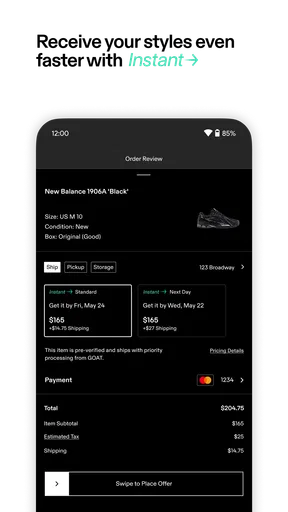
The final cost on GOAT can be higher than the displayed product price because shipping, taxes, duties, and other charges may apply. Fees depend on your country, delivery address, item category, seller location, and the shipping option selected at checkout. Before confirming payment, review the complete order summary carefully, especially if you are buying internationally, since customs charges may not always be included in the initial price.
Can I return or cancel an order placed through the GOAT app?
Return and cancellation options depend on the item, its condition, your location, and the order status. Some products may be eligible for returns within a specified period, while final-sale, used, customized, or certain special-release items may have stricter rules. Orders can also become difficult to cancel once processing or shipping has started. Always check the current return policy and instructions in the app before purchasing.
Is GOAT – Sneakers & Apparel safe and easy to use for first-time buyers?
The app is generally straightforward to use: you can search by brand, model, size, category, or release, save items, and complete checkout from a mobile device. Its authentication-focused marketplace can provide additional confidence, but buyers should still compare prices, verify sizing, inspect condition descriptions, and understand all fees. Customer-service response times and delivery experiences may vary, so reviewing the order terms is recommended.


